People always think AI is a robot that walks and moves like a human. But AI is also inside planes, cars, and industrial machines. In these places, you do not see it, but the AI makes real physical things happen.
I proved this. I connected an old foam plane, a Mini Talon, to Claude and OpenAI Astra. I used old parts that were in my lab for over ten years. I did not buy new and expensive hardware, because I wanted to see what we can do with simple machines and new software.
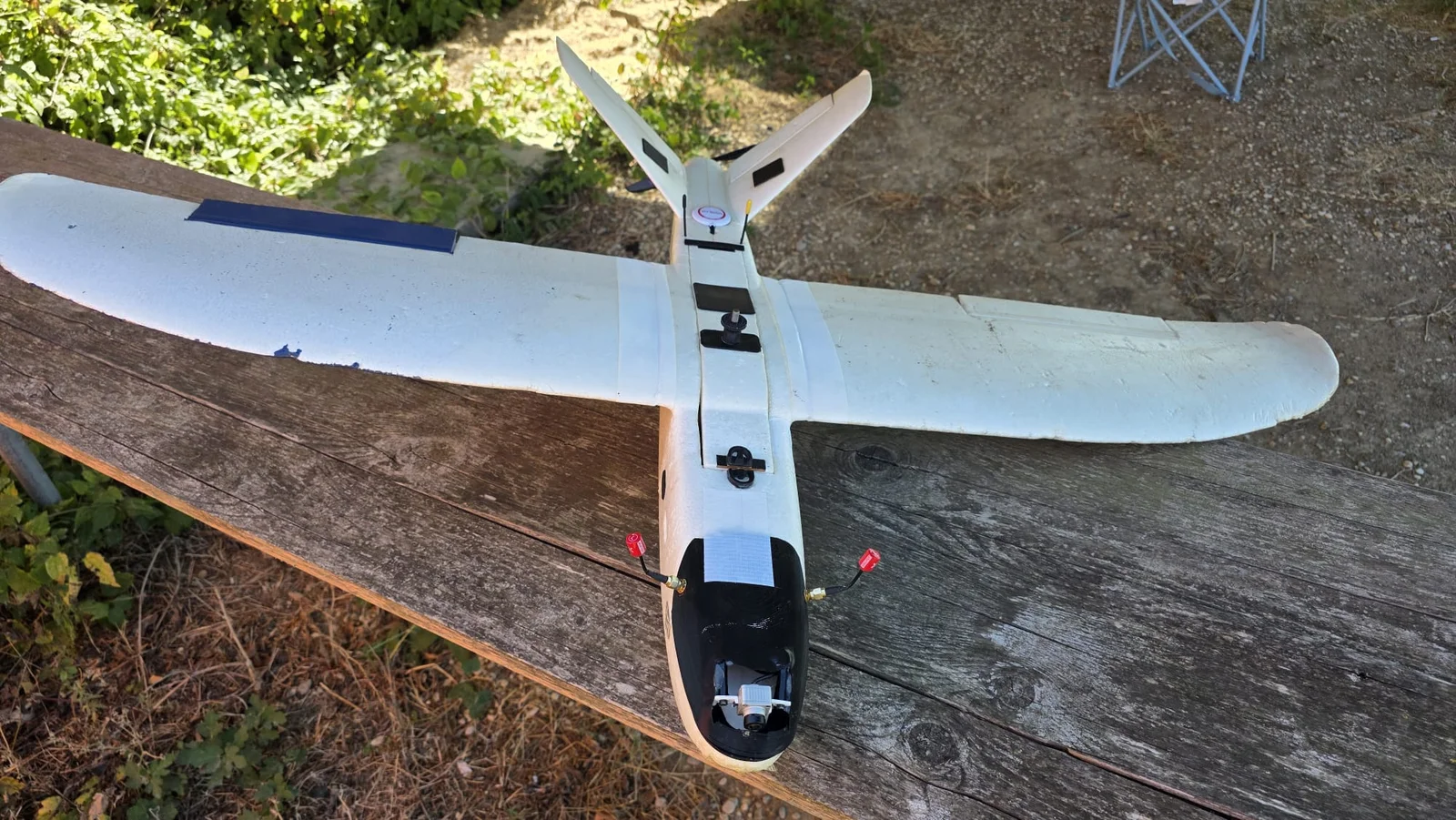
The Machine Comes First The hardest part of this project was not the AI. The hardest part was to build, test, and understand the real physical machine. You must connect cables, balance the weight, and calibrate the sensors.
If you have a bad electric cable or a bad antenna, a smart AI prompt cannot fix it. You must use your hands to measure and fix the machine. Before you connect any AI, the plane must fly perfectly as a normal plane.
The Real World Makes the Software I did not start with an AI model and try to find a job for it. I started with the plane and the real problems I found. An LLM does not magically know how your specific plane is built or where the cables are. The AI can give you a very good answer, but it can be completely wrong if it does not know the real machine. AI does not replace human skill; it only gives more power to it.
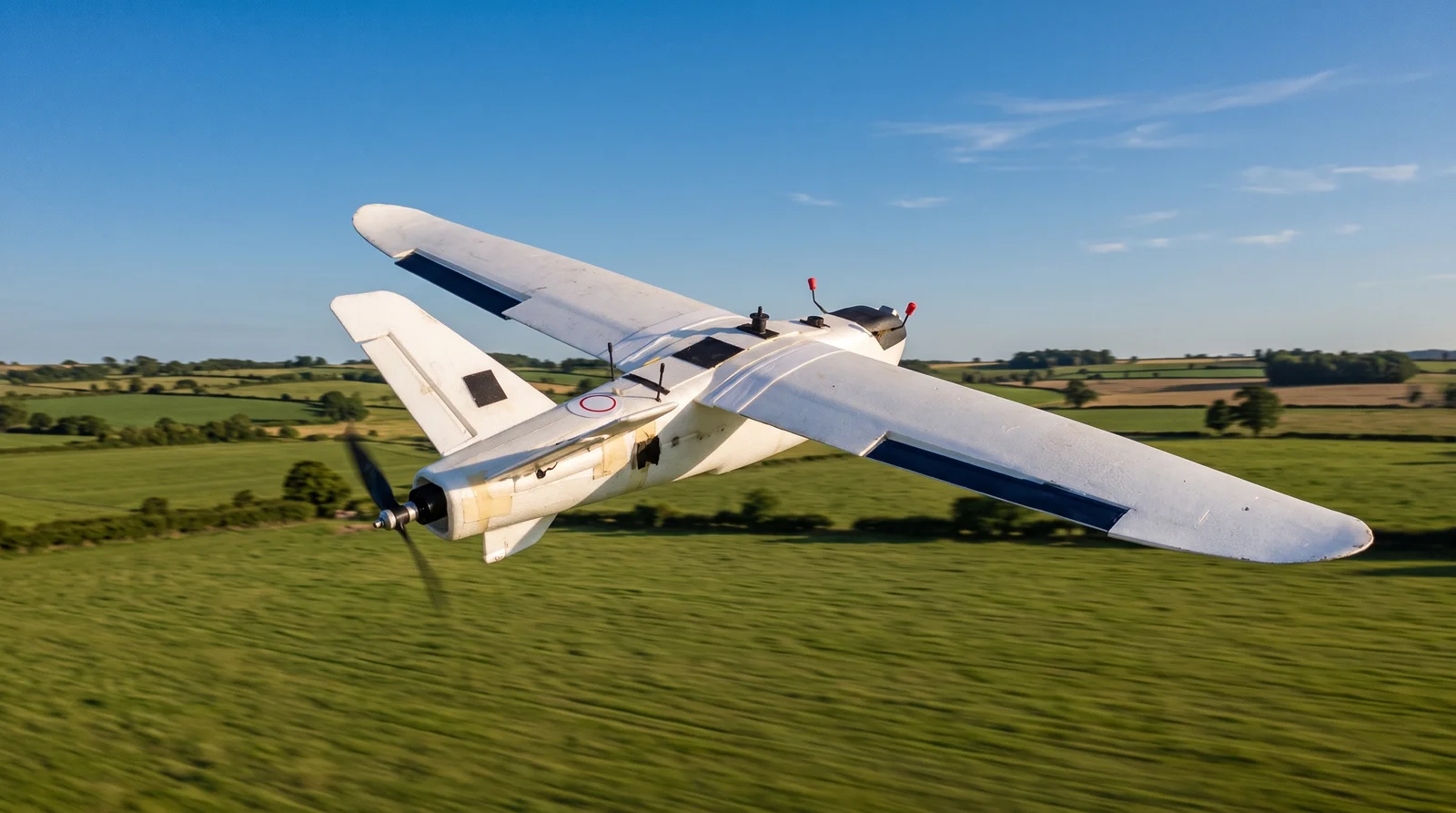
Two Models, Two Different Jobs The autopilot (ArduPilot) flies the plane. A remote AI cannot do this. But I use two different AI environments for two different jobs:
- Claude for Action: During the flight, Claude uses MCP to read telemetry and check the plane status. The operator talks to Claude. But Claude does not control the motor directly. For important actions, the human operator must always confirm first. We use 4G and Iridium satellite to send the data through an AWS server.
- Astra for Analysis: After the landing, Astra reads the logs, the speed, the consumption, and the vibrations. Astra helps to connect this data and understand the flight.
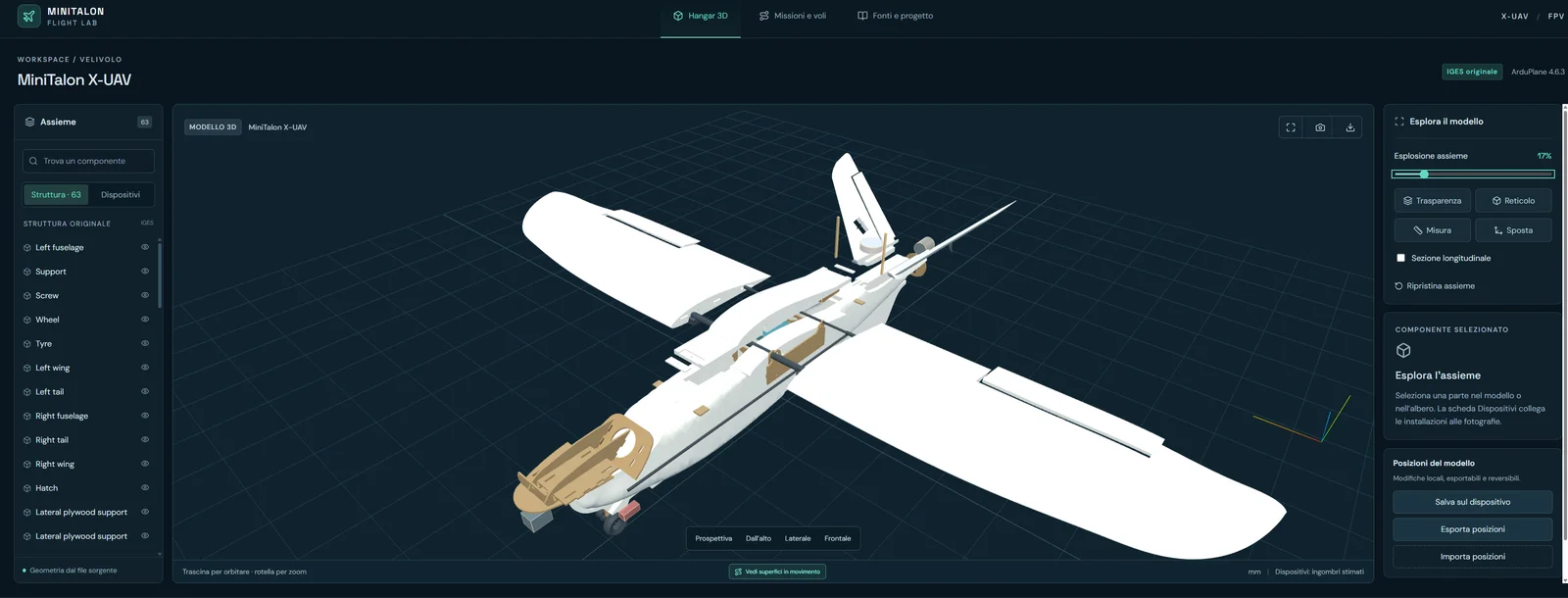
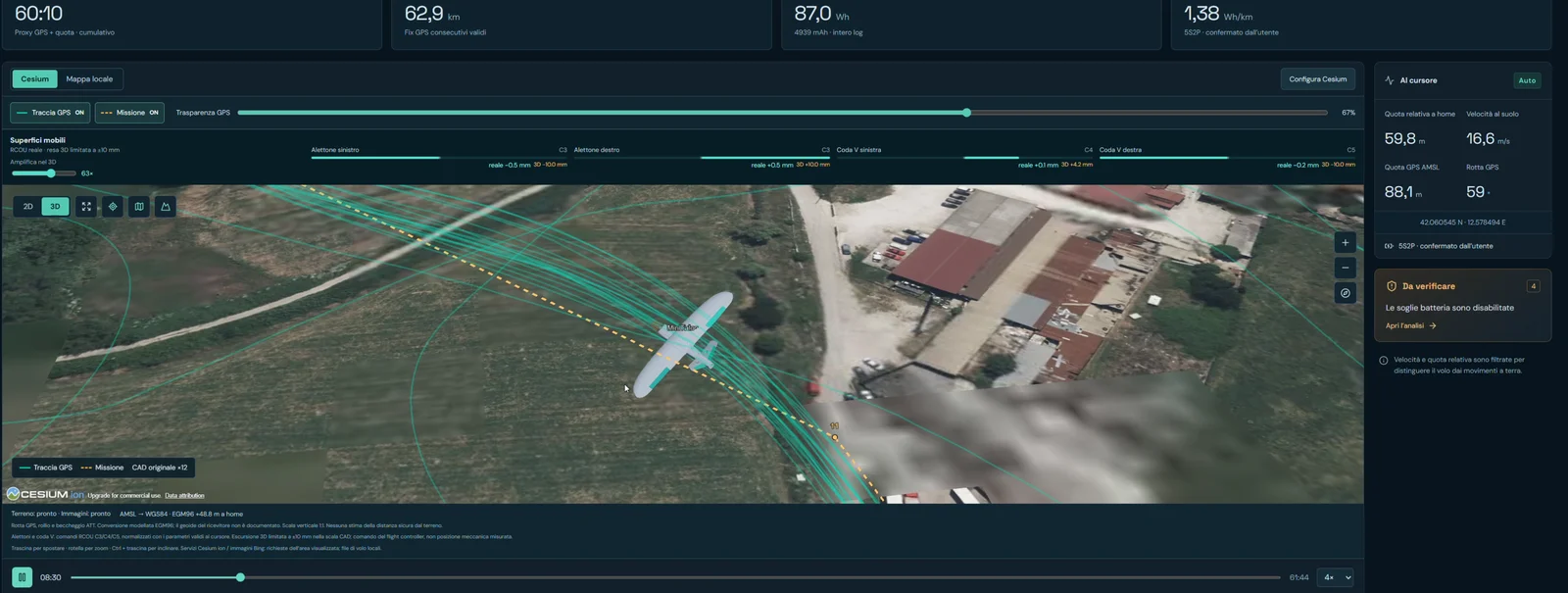
I keep the action (Claude) and the analysis (Astra) completely separate. This makes the roles very clear.
The True Innovation The big news here is not about new parts. The big news is how we combine normal, old technology with new AI software.
But adding an AI to old parts is not magic. Without real testing and real human knowledge, the AI only makes more errors. The real success is the human knowledge that connects the AI to a real, flying machine.